

The Ultimate Guide to High-End Lighting Fixtures: Elevate Your Home
Livvat 3Introduction: The Art of Illumination – Elevating Your Space with High-End Lighting Fixtures
Table of Contents
- Introduction: The Art of Illumination – Elevating Your Space with High-End Lighting Fixtures
- The Enduring Allure of High-End Lighting Fixtures
- Deciphering High-End Lighting Styles: From Classic to Contemporary
- The Craftsmanship of Materials in High-End Lighting Fixtures
- Exploring the Spectrum of High-End Fixture Types
- Strategic Illumination: Designing with Light in Every Room
- The Art of Lighting Design: Form, Function, and Statement
- Understanding the Investment Value of High-End Lighting Fixtures
- Care and Maintenance for Preserving Your Fixtures' Brilliance
- Making an Informed Decision: Selecting High-End Lighting Fixtures
- Product Showcase: Elevating Your Home with Exquisite Fixtures
- Frequently Asked Questions About High-End Lighting Fixtures
High-end lighting fixtures do more than just illuminate. They act as functional sculptures. These pieces define a room’s entire character. Investing in luxury lighting is like selecting fine art for your home. It truly transforms a space. This adds powerful ambiance and tangible value. This guide explores pieces that inspire. They go beyond simple brightness.
The Enduring Allure of High-End Lighting Fixtures
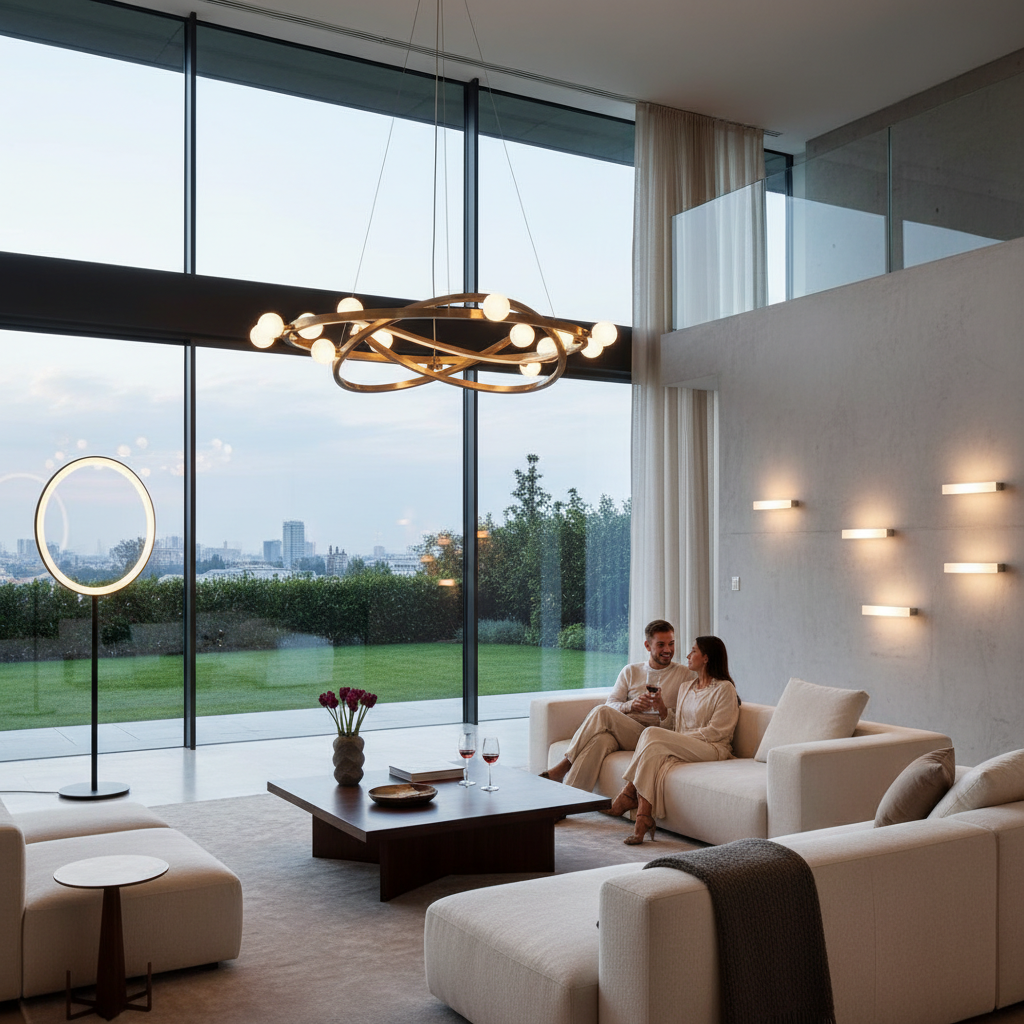
High-end lighting fixtures offer lasting appeal. They are more than just light sources. These items are functional sculptures. Artisans craft them from superior materials. Consider hand-forged iron or solid brass. This brass develops a rich, natural patina. Hand-blown Italian glass is another prime example. Artistry and longevity define these pieces. Their beauty goes beyond simple brightness. Meticulous hand-finishing gives each fixture its unique character. Machines cannot replicate this quality.
Craftsmanship truly distinguishes luxury lighting. It sets these pieces apart from mass-produced options. Standard fixtures often use thin plated metals. They may also include plastic components. High-end lighting uses heavier metal gauges. It features authentic materials like solid brass. This ensures better durability. It creates a substantial presence in any room. This marks the difference between a temporary trend and a timeless centerpiece.
Beyond materials, premium lighting truly transforms a space. A well-designed chandelier does more than illuminate a dining room. It becomes a central focal point. It draws the eye upward. It establishes a sense of occasion. Wall sconces add layers of gentle light. They create depth and warmth. Overhead lighting alone cannot achieve this effect. Designers craft specific moods with light. This ranges from dramatic to serene.
Investing in high-end lighting fixtures enhances property value. Quality lighting signals a well-finished home. This detail is important to potential buyers. A National Association of Home Builders report confirmed this. Many buyers desire specialty lighting. It completes a design vision. It shows clear attention to quality. This resonates throughout the home. Such fixtures are an investment. They offer daily enjoyment and long-term worth.
Deciphering High-End Lighting Styles: From Classic to Contemporary
As you consider high-end lighting fixtures, understanding different styles becomes important.
Choosing high-end lighting fixtures goes beyond brightness. It is a key design decision. This defines a room's character. The right style complements your architecture. It also complements your furnishings. This creates a cohesive and beautiful space. Understanding design languages helps you select pieces. These pieces truly belong in your home. Each style tells a different story.
Modern and Contemporary Design Language
Modern lighting features clean lines. It uses simple forms. Function guides the design. This creates uncluttered fixtures. They are geometric and visually light. Consider sculptural floor lamps with graceful arcs. Linear suspension lights offer focused task lighting. There is no unnecessary ornamentation. Every element serves a specific purpose.
These designs use innovative materials. Polished chrome is common. Brushed nickel and matte black metals are also popular. They pair well with glass and acrylic. Sometimes concrete adds an industrial touch. The American Lighting Association notes this trend. Sleek, minimal finishes grow in popularity. Contemporary fixtures push these limits. They embrace organic shapes. Cutting-edge technology, like integrated LEDs, is also key.
Embracing Timeless Traditional Aesthetics
Traditional lighting styles draw from history. They feature ornate details. Classic silhouettes add elegance and heritage. This style offers rich texture. It also showcases fine craftsmanship. Imagine grand crystal chandeliers. They refract light beautifully in a formal dining room. Wall sconces with intricate metalwork are common. They mimic the warmth of historic candlelight.
Traditional fixtures use warm materials. Forged iron, antique brass, and oil-rubbed bronze are common. They bring a feeling of permanence. They also show high quality. Details like hand-cut crystals are hallmarks. Fabric shades and decorative finials are also key. These pieces are more than light sources. They are decorative heirlooms that command attention. They work perfectly in classic homes. They suit formal decor well.
The Versatility of Transitional and Eclectic Styles
Transitional lighting bridges design gaps. It connects modern and traditional styles. This offers a balanced, enduring look. It takes classic silhouettes. However, it simplifies them with cleaner lines. For example, a lantern shape might have a sleek finish. It will have no extra embellishments. This makes transitional pieces very versatile. They suit many home designs.
Eclectic style is about personal expression. It mixes lighting from different eras. This creates a unique atmosphere. You might hang an industrial pendant. Place it over a rustic wooden table. The key is a common thread. This could be color, shape, or finish. This ties different elements together. Your lighting becomes part of your home's story. It reflects your individual taste.
The Craftsmanship of Materials in High-End Lighting Fixtures
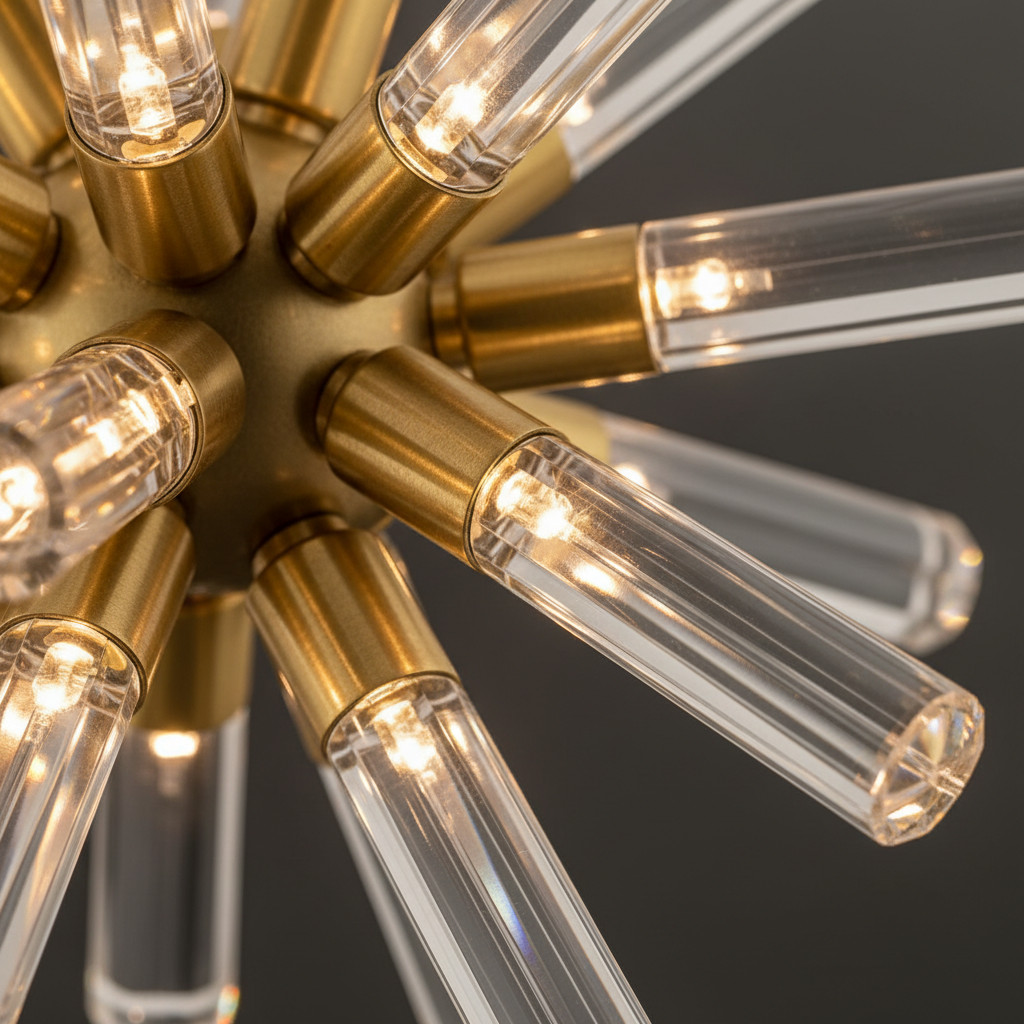
As you consider various styles, remember that materials are equally important. They truly define high-end lighting fixtures.
The soul of a luxury fixture lives in its materials. A standard lamp simply holds a bulb. High-end lighting fixtures are different. They use substances chosen for beauty. They offer durability and distinct character. This focus on quality materials is essential. It separates a temporary item from a timeless centerpiece. These elements offer more than visual appeal. They connect to artisan skill. They also promise longevity. Solid bronze or hand-cut crystal transform illumination. The right materials make lighting an art form. They tell a story of heritage and quality. Understanding this reveals why a fixture is an investment. Let's explore core materials defining exceptional design.
Precious Metals and Artisan Finishes
Metals are central to iconic lighting designs. High-end fixtures use solid metals. They avoid thin plating. This provides a substantial feel. It ensures a much longer lifespan. Solid brass is highly valued. It has a warm, golden hue. It offers strong corrosion resistance. Over time, it develops a rich patina. This adds unique character.
Bronze offers a deeper, darker tone. It brings historical weight and sophistication. It is often chosen for classic fixtures. Nickel is another popular choice. It is warmer than cool chrome. Artisans finish these metals with meticulous care. Hand-rubbing creates subtle texture variations. This makes each piece unique. "Living finishes" are unlacquered. They evolve gracefully with their environment. Superior metals ensure fixtures endure for generations. Hand-applied finishes ensure stunning looks. The difference is clear when you see and feel the piece. Mass-production cannot replicate this depth.
The Art and Science of Glass and Crystal
In luxury lighting, glass is more than a simple cover. It serves as an optical medium. Artisans carefully shape it. They sculpt and diffuse light. Hand-blown glass exemplifies this artistry. Skilled artisans form molten glass. This results in unique shades. They feature subtle, beautiful imperfections. The global lighting market values these skills greatly. Artisanal components add significant worth.
Crystal elevates light manipulation. Its value comes from a high refractive index. This splits light into dazzling colors. Historically, lead oxide achieved this. Today, many high-end lighting fixtures use advanced formulas. These are lead-free. They deliver comparable brilliance. Precise faceting maximizes sparkle. This creates a vibrant effect in any room. Beyond crystal, other treatments elevate glass. Alabaster, a natural stone, offers a soft glow. Each piece shows unique mineral veining. Etched or seeded glass adds texture. It also softens light, creating specific moods. These materials are functional. They are essential to the fixture's artistic expression.
Incorporating Organic and Innovative Materials
Modern luxury lighting goes beyond metal and glass. Designers use organic and innovative materials. These add warmth, texture, and natural connection. This trend aligns with sustainable design goals. Ceramic fixtures offer versatility. They come in many colors, shapes, and glazes. Natural materials add handmade texture. Rattan, wicker, and wood are examples. They make a space feel relaxed. Used in high-end lighting fixtures, these are finished well. They are often sourced sustainably. A woven rattan pendant shows natural beauty. A turned-wood chandelier highlights craft. This demonstrates a different kind of luxury. Textiles and other elements play a role. Raw silk or Belgian linen shades diffuse light. They create a soft, elegant quality. Designers incorporate leather or stone accents. This creates a sophisticated, multi-layered look. High-end design is about thoughtful composition. It celebrates beautiful and meaningful materials.
Exploring the Spectrum of High-End Fixture Types
Understanding these exquisite materials aids in exploring diverse types of high-end lighting fixtures.
High-end lighting fixtures are vital. They are more than simple light sources. They are key interior design components. They define a room’s character. Understanding different types helps create a lighting plan. This plan will be layered and cohesive. Each category offers function and artistry. The right fixture transforms a space.
Grand Statements: Chandeliers and Large Pendants
Chandeliers and large pendants are focal points. They draw the eye. They make a bold declaration. Traditional chandeliers have intricate arms. They feature cascading crystals. These pieces create opulence. They offer timeless elegance. They work beautifully in formal dining rooms. They are perfect for two-story foyers.
Contemporary designs offer unique drama. Minimalist linear chandeliers provide clean light. They suit long tables or kitchen islands. Sculptural fixtures act as illuminated art. They use hand-blown glass or forged metals. Large pendants give a similar, modern impact. A single oversized pendant can anchor a living area. Its sheer scale and focused light are impressive.
Functional Elegance: Wall Sconces and Flush Mounts
Wall sconces build layers of light. They provide ambient light. They also offer task or accent illumination. They save floor or table space. Sconces are incredibly versatile. Use them to flank a fireplace. They can light a hallway. They provide soft light next to a mirror. High-end sconces often feature exquisite materials. Alabaster stone emits a warm, diffused glow.
Flush mounts suit lower ceilings. Semi-flush mounts offer a sophisticated solution. These fixtures sit close to the ceiling. They provide broad, general light. Their function is practical. Luxury designs never compromise on style. Look for hand-finished metals. Intricate glasswork or tailored fabric shades are also key. They offer ambient lighting. They maintain a clean, uncluttered look.
Versatile Illumination: Lamps and Lanterns
Lamps offer ultimate flexibility. You can move them easily. They adapt to changing needs. This makes them decorative and functional. A high-end table lamp is a piece of art. Its base might be hand-glazed ceramic. Carved wood or solid marble is also common. The lampshade shapes light quality. Silk or linen is often used.
Floor lamps solve lighting puzzles. They work in corners and reading nooks. An arc lamp sweeps over a sofa. It provides targeted reading light. Designers create cozy "light pools" with them. The American Lighting Association advocates for intimate zones. Lanterns add historic or rustic charm. Used indoors or out, they are durable. Solid bronze and hand-forged iron age beautifully.
Strategic Illumination: Designing with Light in Every Room
With knowledge of fixture types, let's explore how to use high-end lighting fixtures strategically in your home.
High-end lighting fixtures do more than brighten spaces. They act as functional sculptures. They define zones and create moods. Thoughtful placement transforms a room. Your home's areas serve different purposes. Lighting choices should enhance these functions. Strategic illumination is key. This applies from grand entrances to quiet retreats.
Creating Impact in Entryways and Hallways
The entryway is your home's first impression. It sets the tone. A magnificent chandelier makes a powerful statement. A striking pendant light also works. It tells guests they enter a well-considered space. The scale of this high-end lighting fixture is crucial. Add the room's length and width in feet. That sum, in inches, is a good starting diameter.
Hallways guide movement. They connect spaces. They should feel inviting, not just functional. Avoid a single overhead light. Consider elegant flush-mount fixtures. Wall sconces add warm, ambient light. They create visual interest. They break up long corridors. This turns a hallway into a design journey.
Task and Ambiance in Kitchens and Dining Areas
Modern kitchens are hubs for cooking and gathering. Their lighting must be versatile. Pendant lights offer direct task lighting for islands. This helps with food preparation. The American Lighting Association recommends specific heights. Hang pendants 30 to 36 inches above countertops. This prevents glare. It provides ample light for tasks. Under-cabinet lighting illuminates work surfaces directly.
In the dining room, ambiance is key. A beautiful chandelier anchors the space. Center it over the dining table. Its style defines the room. Install a dimmer; this is crucial. Adjust light from bright for cleanup. You can also have a soft glow for dinners. Consider the table's shape. A linear light complements a rectangular table well.
Luxury Lighting for Personal Sanctuaries
Bedrooms and bathrooms are private retreats. They are for comfort and relaxation. In the bathroom, good vanity lighting is a must. It helps with grooming. Place vertical fixtures or sconces on both mirror sides. This gives even, shadow-free light. For luxury, use a damp-rated chandelier. Place it above a freestanding tub. It creates a stunning focal point. Safety is key for these high-end lighting fixtures. Always check for the correct wet or damp location rating.
Bedroom lighting should be layered. This supports rest. A central ceiling fixture provides general light. Bedside table lamps offer focused light. Wall-mounted reading lights also work. They avoid disturbing a partner. Soft, diffused light creates calm. Look for fabric shades or frosted glass. Dimmers are essential. They transition the room's mood from morning to evening.
The Art of Lighting Design: Form, Function, and Statement
As you plan for strategic illumination, consider how high-end lighting fixtures embody art and function.
High-end lighting fixtures transform rooms. They become curated experiences. They are more than just light sources. They are functional art pieces. These fixtures blend sculptural form with practical purpose. They are central design elements. They define an entire aesthetic. Understanding this balance is key. It helps select pieces that elevate your home.
More Than a Light: The Fixture as Sculpture
Exceptional lighting needs sculptural form. High-end designers think like artists. They consider shape, shadow, and scale. This creates a three-dimensional masterpiece. The fixture becomes a focal point. This is true even when it is off. It might be an intricate crystal chandelier. Or it could be a minimalist pendant. It hangs over a kitchen island.
These designs draw from nature. Fixtures might mimic tree branches. They can also show the flow of water. Others use bold, abstract shapes. They play with negative space. The goal is to create beauty. The object interacts with surroundings. It adds depth and texture. It brings personality to the room's architecture.
A Focus on Refined Materials and Craftsmanship
High-end lighting fixtures boast aesthetic appeal. This comes from superior materials. Mass-produced lights use simple plastics. They also use thin metals. Luxury pieces feature beautiful materials. They are chosen for durability. Consider hand-blown Murano glass. Solid forged brass or natural alabaster stone are also used. Each material shapes and diffuses light uniquely.
Craftsmanship is equally important. The human touch is clear in details. See it in hand-applied finishes. Notice precisely welded joints. Look at carefully polished surfaces. This quality ensures lasting fixtures. They are not just temporary trends. Bain & Company notes consumer value. They appreciate heritage and artisanal skill. It is an investment in lasting quality.
Making a Statement with Light
A high-end lighting fixture makes a powerful statement. It is often the first thing noticed. It can anchor your design scheme. It sets the tone for everything else. It declares a specific style. This can be modern, traditional, or eclectic. ASID notes layered lighting is critical for mood. A statement fixture is the most impactful layer.
Choose the right piece carefully. Think about its role. Do you want a bold centerpiece? Or a subtle, elegant accent? The fixture's function goes beyond light. It directs the eye and creates ambiance. It ties the room together. This forms a cohesive design.
Understanding the Investment Value of High-End Lighting Fixtures
As we appreciate the design, consider the long-term value these high-end lighting fixtures offer.
High-end lighting is not a simple expense. It is an investment in your home's character. It enhances your daily experience. These pieces are built to endure. They offer returns in beauty and function. These grow over decades, not just seasons.
High-end lighting fixtures use exceptional materials. They feature meticulous assembly. Consider solid brass that gains patina. Hand-blown glass has unique imperfections. Hand-forged iron is also common. These elements resist wear much better. They outperform plated metals and plastics. Standard fixtures may fail quickly. A well-crafted luminaire is a long-term companion.
Internal engineering is vital. Premium fixtures use advanced LED technology. This is for longevity. It offers superior color rendering. Many integrated systems are rated for over 50,000 hours. This meets industry standards. This translates to two decades of light. It means beautiful, consistent light without replacement.
Artistic value adds to luxury lighting's worth. Celebrated designs are timeless. They are not swayed by fast-fashion decor. They integrate well into evolving styles. A chosen chandelier or sconce becomes art. It is a permanent installation. It acts as a focal point. It tells a unique story.
Artistic merit can offer financial return. Most furnishings depreciate. However, designer fixtures hold value well. Iconic pieces may increase in value. Limited-edition items become collectible assets. An Artsy report highlighted this trend. It confirmed a strong secondary market for lighting.
Statement lighting enhances market value. Real estate professionals emphasize quality. It makes a property stand out. A dramatic chandelier creates impact. Elegant sconces create a strong first impression. This signals care and quality. It influences a buyer's perception of the home.
Care and Maintenance for Preserving Your Fixtures' Brilliance
Proper care and maintenance protect your investment in high-end lighting fixtures.
High-end lighting fixtures are significant investments. Proper care protects their beauty. It ensures flawless function for decades. Neglect dulls finishes and sparkle. This guide shows how to maintain brilliance.
Always turn off power first. Do this at the circuit breaker. Use two soft microfiber cloths for crystal. One is for cleaning, one for drying. Mix one part isopropyl alcohol with three parts distilled water. Put this in a spray bottle. It dissolves grime without streaks. Never spray the fixture directly. Apply solution to your cloth instead.
Metal elements need careful handling. These include brass, bronze, or chrome. Dust gently with a dry microfiber cloth. This removes loose particles. Many high-end lighting fixtures have lacquered finishes. This prevents tarnishing. Avoid abrasive polishes. For fabric shades, use a soft brush. Attach it to your vacuum for dusting.
Choosing the right bulb is crucial. It ensures safety and longevity. Follow manufacturer's wattage recommendations. This prevents overheating. Overloaded sockets are hazardous. Electrical failures cause home fires. The NFPA reports this. If you see flickering or buzzing, call an electrician.
Consider the fixture's environment. Direct sunlight can fade fabric shades. It can also make them brittle. High humidity in kitchens causes tarnishing. This affects unlacquered metals. Schedule thorough cleaning twice a year. This keeps your elegant lighting brilliant.
Making an Informed Decision: Selecting High-End Lighting Fixtures
With proper care in mind, make an informed decision when selecting your next high-end lighting fixtures.
Choosing high-end lighting fixtures is a big investment. It shapes your home's atmosphere. It expresses your personal style. Many options exist. Making a confident choice needs a clear approach. This guide breaks down key factors. It ensures your selection is beautiful. It also ensures it suits your space. Use this checklist before deciding. It helps focus on what matters. This turns a complex choice into an exciting opportunity. Each point covers a crucial aspect of luxury lighting.
- Define the Room's Function: Start with the fixture's purpose. Is it for general ambient light? Or focused task work? Perhaps it's to highlight artwork? This narrows your options. It points you to the correct category.
- Measure for Scale and Proportion: Note your room's dimensions. Include the ceiling height. A grand chandelier can overwhelm a small room. A tiny pendant gets lost in a large space. Proper scale creates harmony. It ensures visual balance.
- Examine Materials and Craftsmanship: Quality defines a premium fixture. Look for solid metals like brass. Genuine crystal or hand-blown glass are also key. These elements look better. They promise decades of durability.
- Align with Your Home's Aesthetic: How does the fixture complement your decor? Your style might be minimalist or classic. It could also be industrial. Lighting should feel cohesive. It can blend in or be a bold statement.
- Plan for Professional Installation: Many high-end lighting fixtures are heavy. They can have complex wiring. Professional installation is essential for safety. It also ensures correct performance. An experienced electrician will help.
Product Showcase: Elevating Your Home with Exquisite Fixtures
With your knowledge of selection, visualize stunning examples of high-end lighting fixtures.
High-end lighting fixtures are more than light sources. They are pieces of functional art. Each combines masterful craftsmanship. They use premium materials. The result is an object. It defines a room's character. Let’s explore examples. These highlight incredible diversity.
Imagine a grand chandelier for a foyer. It suits a two-story space. It features dozens of crystal prisms. Skilled artisans forged its aged bronze frame. When illuminated, it refracts light. This creates a dazzling display. It becomes the home's centerpiece. It truly defines the entrance.
Picture a contemporary kitchen island. Above it hangs three glass pendants. Each has a unique, organic shape. It may be slightly imperfect. The glass might have color swirls. Or tiny air bubbles show artisanal origin. This arrangement provides task lighting. It adds modern elegance.
Wall sconces offer sophistication. Consider a design carved from alabaster. This Spanish stone shows natural veining. It creates a unique pattern. Its warm, diffused glow adds soft light. It suits a hallway or bedroom. A sculptural floor lamp also works well. Its solid marble base anchors a living room. It serves as a reading light. It is also a stunning decorative element. These high-end lighting fixtures prove beauty and purpose.
Frequently Asked Questions About High-End Lighting Fixtures
Here are common questions about bringing luxury high-end lighting fixtures into your home.
We receive many questions about luxury lighting. Here are clear answers to common inquiries.
What defines a 'high-end' lighting fixture?
High-end lighting has three key elements. Superior materials are first. Think of solid brass, hand-blown glass, or authentic crystal. Next comes craftsmanship. This involves artisan techniques like hand-forging. It also includes detailed finishing. Finally, design from a renowned studio is essential. This makes the fixture a piece of functional art. Mass-market lights use plated metals and molded plastic instead.
How do I choose the right size chandelier for my space?
Choosing the right chandelier size is simple. Add your room's length and width in feet. That sum, in inches, is the ideal diameter. For example, a 12x14 foot room (26 feet total) needs a 26-inch chandelier. For dining rooms, hang it 30 to 36 inches above the tabletop.
Are high-end lighting fixtures a good investment?
High-end lighting fixtures are an excellent investment. They enhance a home's atmosphere and value. These fixtures are powerful focal points. They define a room’s character. Luxury lights appreciate in aesthetic value over time. They are not like trendy decor. They elevate the entire design scheme. This boosts your home's appeal for years.
What are some unique materials used in luxury lighting?
Designers use rare and beautiful materials. They go beyond typical glass and metal. Find fixtures crafted from translucent alabaster. This gives a warm, ethereal glow. Other options include iridescent capiz shells. Colorful Murano glass or quartz crystals are also used. These distinct materials make your fixture a conversation piece.
How should I clean and maintain my premium fixtures?
Proper care preserves fixture beauty. Always turn off power at the breaker before cleaning. Use a soft microfiber cloth for dusting metals. This protects their finish. For crystal or glass, use a specialized cleaner. Apply it to the cloth, not directly to the fixture. Avoid harsh chemicals. They can cause damage.
Can high-end lighting be energy efficient?
Yes, high-end lighting can be energy efficient. Modern luxury lighting embraces this fully. Most designer fixtures work with LED bulbs. These bulbs save power. They also have a longer lifespan. Many designs feature integrated LED technology. This offers a sleek look. It ensures optimal performance.
Choosing high-end lighting fixtures is an investment. It improves your home's atmosphere. The right light transforms any room. It shifts from ordinary to extraordinary. It shapes moods and highlights your style. Begin your journey today. Discover pieces that will illuminate your home. They offer artistry and unmatched elegance for years.
About This Article
Editorial Disclosure: This article was researched and written by our content team to provide helpful, accurate information about high-end lighting fixtures. We regularly review and update our content to reflect the latest industry developments and best practices.